
Electrification
xEVs not only improve urban air quality but also achieve zero emissions, contributing to the suppression of global warming. Evolving vehicle electrification technologies for the next generation is essential to realize a sustainable society. By making full use of our know-how and advanced technologies as a materials manufacturer, Toray provides resin materials that contribute to vehicle lightweighting and higher strength, thereby increasing energy efficiency and durability, and supporting further performance improvements in xEVs.
Inverter
The inverter is a component responsible for power conversion. It plays a role in efficiently driving the motor and controlling the vehicle, and can be said to be the "heart" of an xEV. In recent years, with the aim of further improving the drive efficiency of motors, inverters have become more efficient and smaller. Toray captures these trends and proposes resin materials that meet the needs for high efficiency and high durability of inverters.
Bus Bars and Terminals
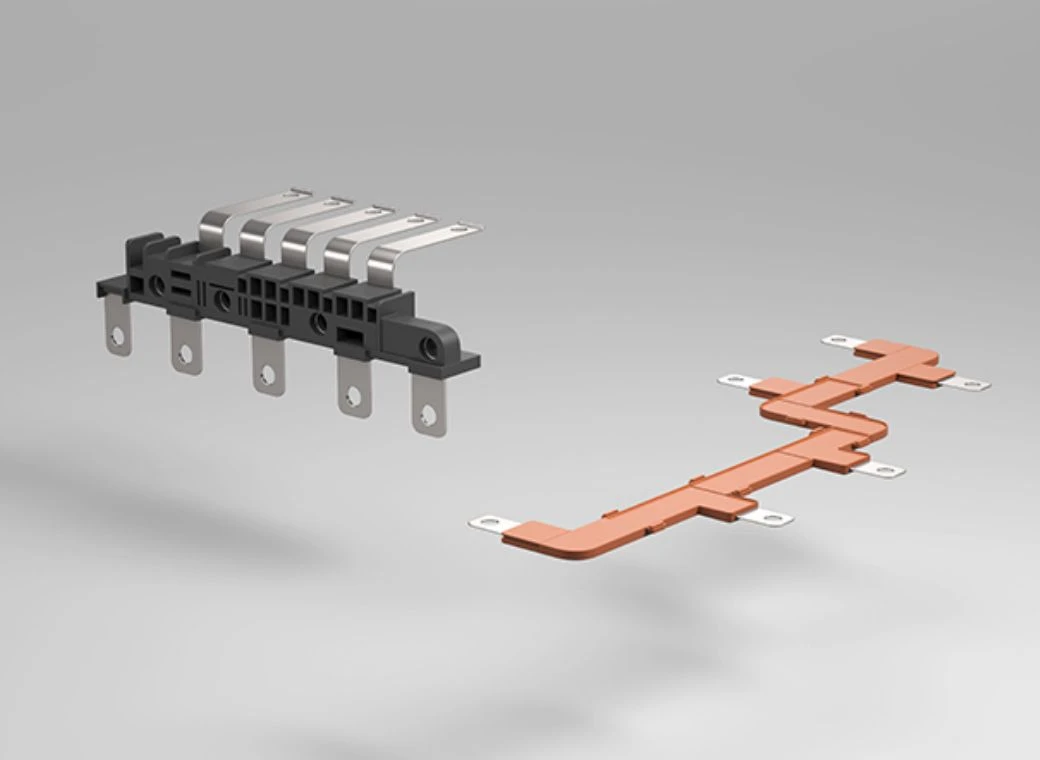
Bus bars and terminals in xEVs are important components responsible for the efficient transmission and distribution of electric power. Because they need to handle high currents safely and efficiently, excellent insulation properties and durability are required. In recent years, the need for high voltage and large current has been expanding along with the efficiency improvement of powertrains, and Toray contributes to improving the reliability of bus bars and terminals by proposing materials with even more excellent insulation properties and durability.
Grades
These materials feature excellent heat cycle resistance, thin-wall flowability, and high weld strength. They can also handle bus bars and terminals that require complex thin-wall shapes.
These are materials that have achieved CTI Rank 0 (600V), which was previously considered impossible. They enable the wiring of high-voltage bus bars in places with limited clearance distances, contributing to downsizing.
Resin Water Jackets
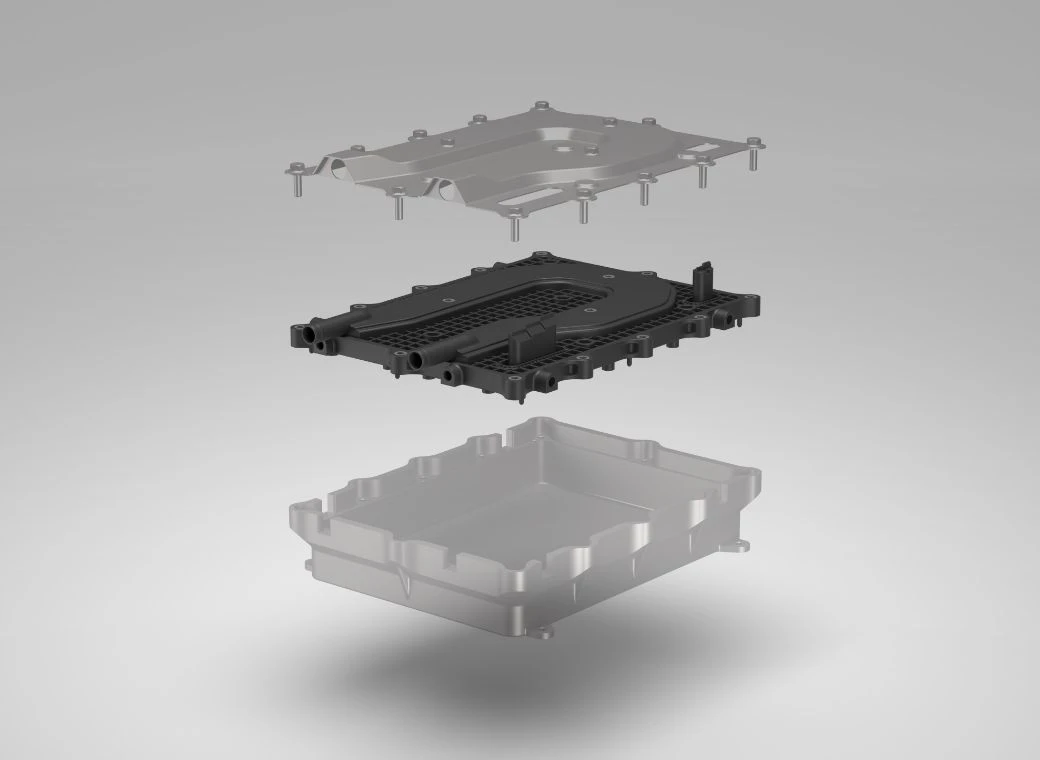
The need for smaller and lighter EVs is increasing, and the replacement of cooling circuits (water jackets) for power electronics components, including inverters, with resin is progressing. Toray contributes to extending cruising range and expanding interior space by providing resin materials.
Grades
PPS used for resin water jackets exhibits excellent insulation properties, dimensional stability, and hot water resistance compared to other resin materials in the high-temperature and high-humidity environments where coolant passes. A673MTB has excellent toughness among PPS resins and the high weldability required for resin water jackets, and enables undercut molding, which is difficult to process. It contributes to the formation of complex waterways and the downsizing and efficiency improvement of components.
Power Modules
Automotive power modules are important components responsible for power conversion and control. In recent years, vehicle performance and cruising range have been significantly improved due to the improvement of energy efficiency, so it is expected that the development of more highly efficient, smaller, and lighter power modules will progress. Toray contributes to further performance improvements in power modules through material proposals that capture these trends.
Grades
These are materials that have achieved CTI 600V. They meet the downsizing needs of power modules, which are expanding due to the shift to higher voltages in vehicles, and contribute to improving reliability.
These are heat cycle resistant grade materials that can handle even complex insert shapes. They have excellent moldability such as low burr and low warpage.す。
Battery
Automotive batteries are important components that directly affect vehicle performance and cruising range as the power source for electric vehicles (EVs) and hybrid electric vehicles (HEVs). Batteries with high energy density and long life improve vehicle efficiency and reliability. In recent years, shorter charging times and higher energy density have been required, and Toray provides materials that meet these needs, contributing to the evolution of vehicle electrification technologies.
Battery Management System (BMS)
In addition to strength and heat resistance, materials that can handle complex shapes corresponding to the layout of the battery and peripheral components may also be required. Toray proposes the optimal materials for BMS, contributing to component performance improvement.
Grades
These are optimal materials for BMS cases. They are PPS with excellent heat resistance and chemical resistance, have good thin-wall flowability, and can handle complex component shapes.
Explosion-Proof Valves
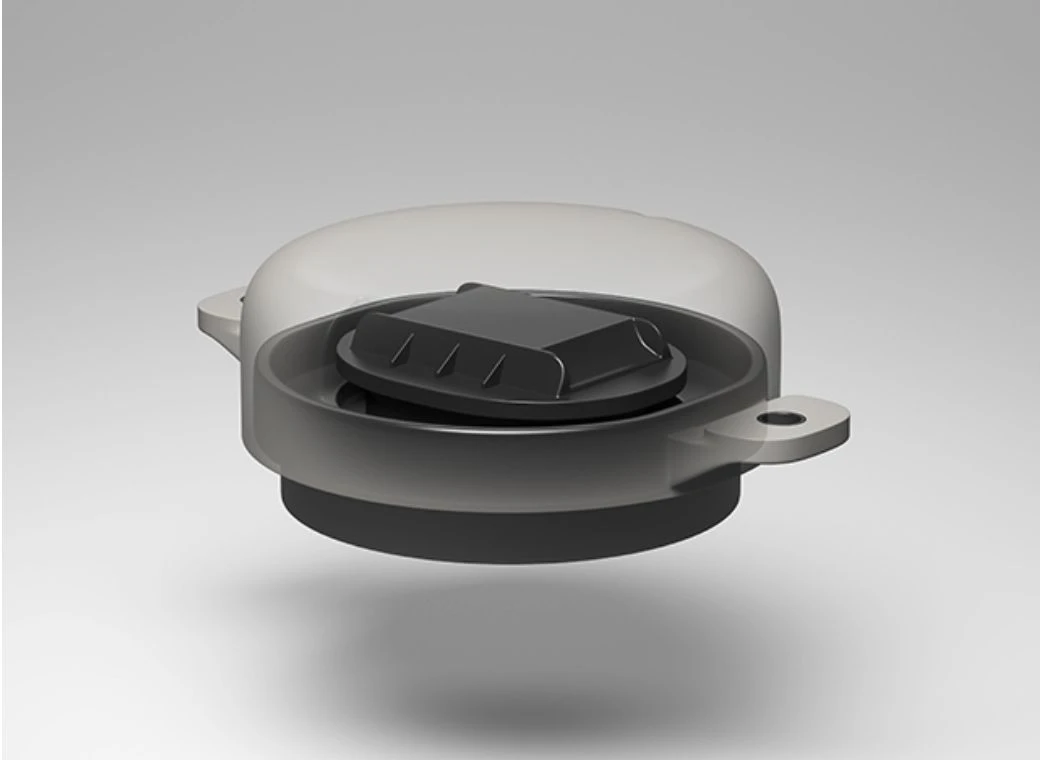
Explosion-proof valves are components that release gas during overcharging or overheating in batteries to prevent explosions. Resin materials with durability against high-temperature gas and heat are suitable for these materials. Since it is expected that the development of explosion-proof valves with higher sensitivity and rapid response will progress in the future, Toray proposes suitable resin materials for these, contributing to improving battery safety.
Grades
These are Toray's high-impact grade materials. They have high heat resistance and impact resistance, and contribute to improving component functions by providing excellent pressure resistance functions as explosion-proof valves.
Motor
Motors are important components that provide driving force for electric vehicles (EVs) and hybrid electric vehicles (HEVs). Highly efficient and highly reliable motors improve vehicle performance and energy efficiency. As a future trend, lightweighting and higher output are expected to progress, and technological innovations in permanent magnet motors and in-wheel motors are attracting particular attention. This will be an important factor supporting the growth of the EV market. Toray proposes optimal materials for increasingly sophisticated motor components.
Motor Insulators
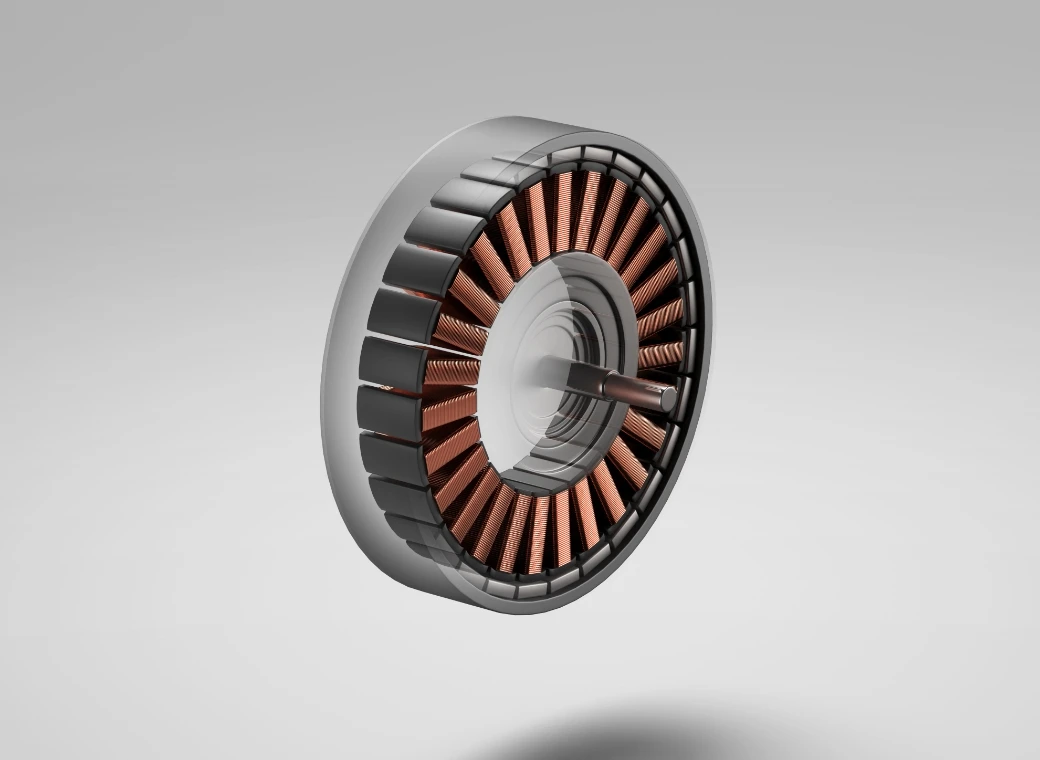
Toray's TORELINA™ PPS resin is an optimal material for motor insulators, which are insulating components. It possesses properties such as high heat resistance, excellent electrical insulation, high dimensional stability, and chemical resistance, contributing to motor efficiency and safety.
Grades
These are Toray's high-flow and high heat cycle resistance materials. They have excellent heat resistance and dimensional stability, and because of their excellent thin-wall flowability, they are optimal materials for motor insulators.
Resolvers (Rotation Angle Sensors)
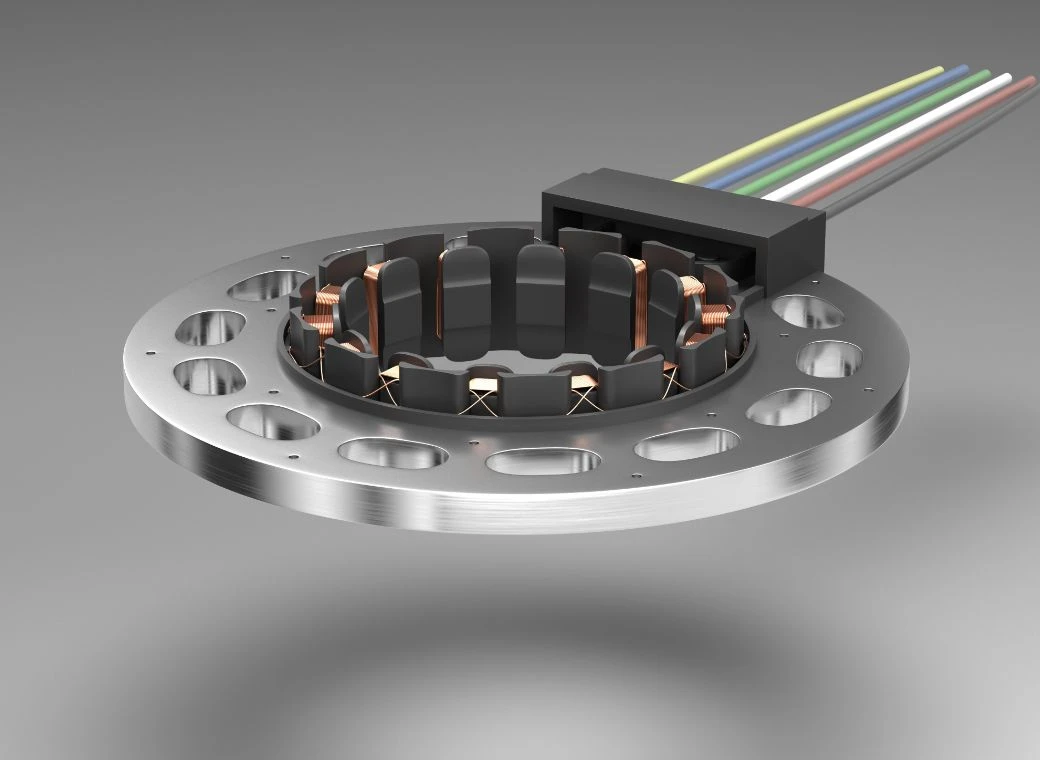
Resolvers are components that control the rotation of automotive drive motors, and play a very important role in ensuring efficiency and safety. In the future, even more highly accurate sensing and performance that can be used even in severe environments are expected to be required. Toray contributes to improving component reliability by proposing optimal materials.
Grades
These are Toray's high-impact grade materials. They contribute to maintaining sensor performance under severe environments such as vehicle vibration and high temperatures.
High Voltage Components
High-voltage battery components play an important role in power conversion and energy management in xEVs, improving vehicle efficiency and safety. It is expected that the adoption of new materials such as silicon carbide and gallium nitride will progress in the future, and Toray is capturing these trends and working on the development of more highly efficient, smaller, and lighter high voltage components.
Connectors
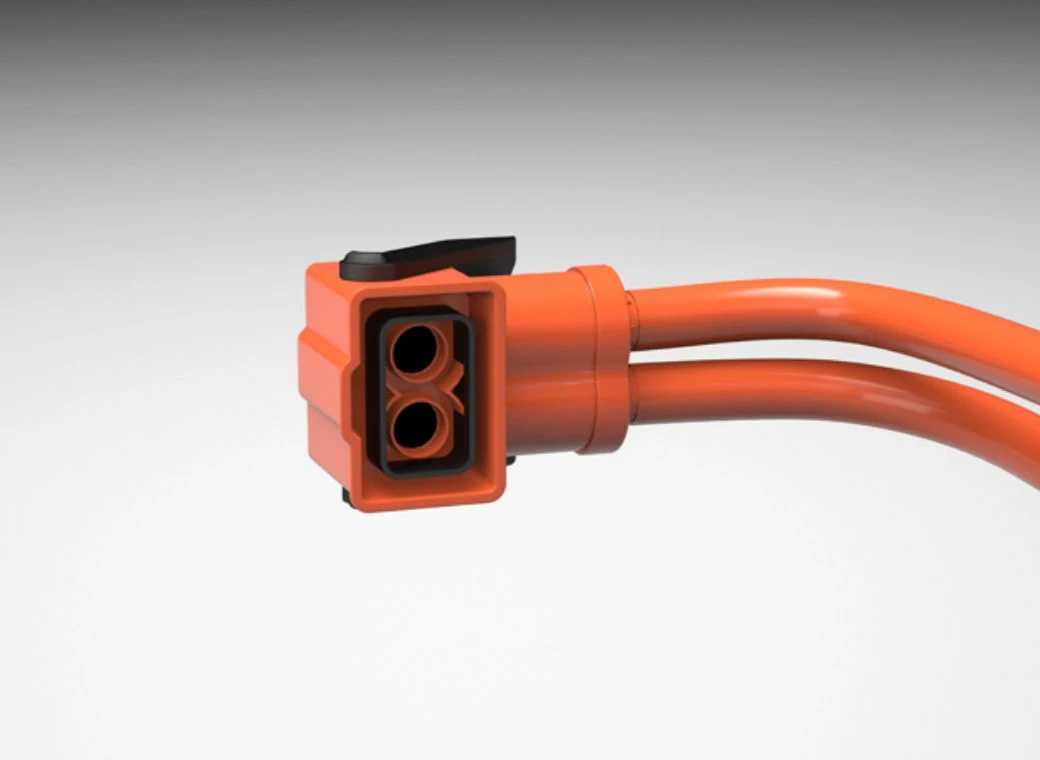
With the spread of xEVs, the importance of high-voltage connectors is increasing more and more. In order to transmit power safely and efficiently between electric vehicles and charging stations, connectors designed to handle higher power loads and prevent thermal decomposition and structural degradation are essential. Toray contributes to the evolution of vehicle electrification technologies by proposing optimal materials for high-voltage connectors.
Grades
These are Toray's flammability-grade PBT resin materials. They contribute to improving safety in high voltage components.
Junction Boxes
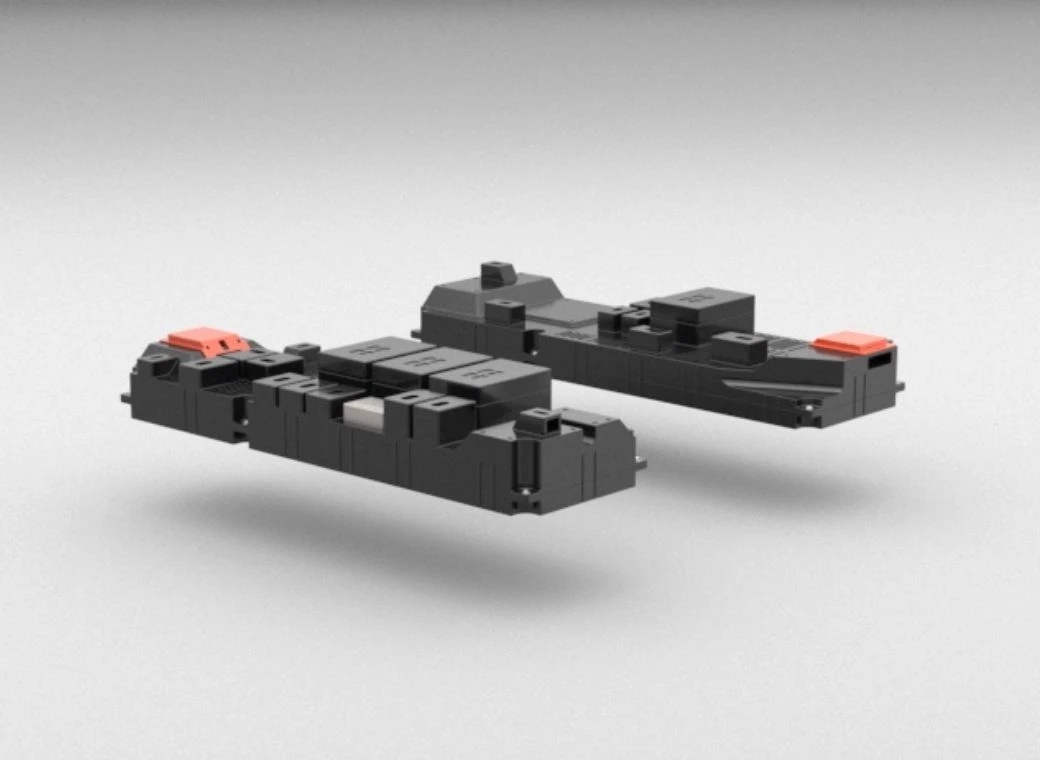
Junction boxes play the role of safely and efficiently distributing power from the battery to various high-voltage devices. They contain built-in high-voltage fuses for protection against electric shock and overcurrent during collisions, safely controlling high voltage components. In the future, higher durability and downsizing will be required due to the higher efficiency associated with the functional integration of components, so Toray proposes materials suitable for these needs.
Grades
These are grades combining lightness, rigidity, and low warpage that can handle the up-sizing of components. Toray offers a large number of low warpage PBTs according to customer needs.
These are grades with excellent tracking resistance and flammability. They meet the needs for downsizing and reliability improvement in high voltage components.
Current Sensors
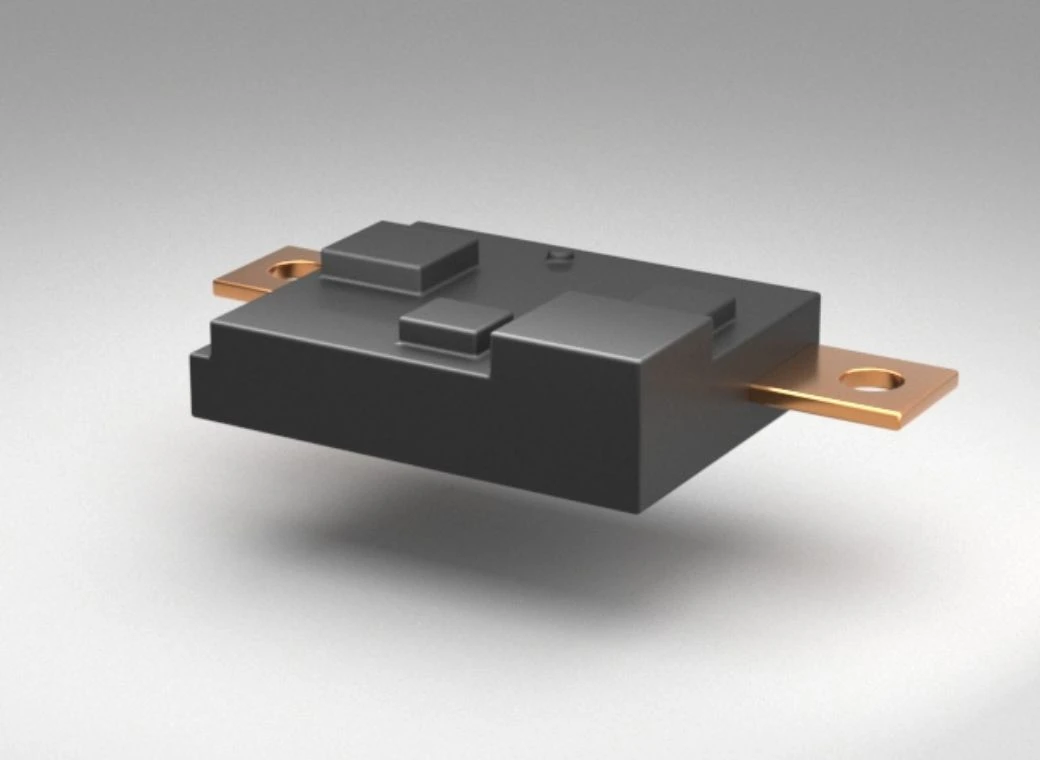
Current sensors for inverters monitor and control the inverter's current, contributing to improving energy efficiency and ensuring safety. Current sensors for batteries extend battery life and ensure safety by accurately monitoring charge and discharge states. Toray captures the trends toward improving measurement accuracy, downsizing, and integration of power sensors, providing products with excellent tracking resistance and compatibility with complex shapes, contributing to the further advancement of vehicle electrification technologies.
Grades
These are grades with high tracking resistance. They can shorten the creepage distance in current sensors handling high voltages, contributing to component downsizing.
These are heat cycle resistant PPS materials that show excellent durability even in complex insert shapes. They are optimal materials for current sensors that insert bus bars for inverters.
Chassis
Electrification is also progressing in chassis components such as electric power steering and electric parking brakes, and there are needs for lightweighting and performance improvement. Toray proposes optimal materials for these components, contributing to improvements in performance and quality.
Electric Power Steering Torque Sensor Covers
Torque sensors for electric power steering accurately measure the driver's steering operations to realize optimal steering assist. This improves driving safety and comfort. In the future, integration with autonomous driving technologies, downsizing, and lightweighting are expected to progress, and Toray proposes materials that contribute to the evolution of torque sensor accuracy and efficiency.
Grades
These are materials with high heat cycle performance and excellent durability in high-temperature and high-humidity environments. They are suitable as materials for torque sensor covers consisting of numerous metal insert parts.
Electric Parking Brakes
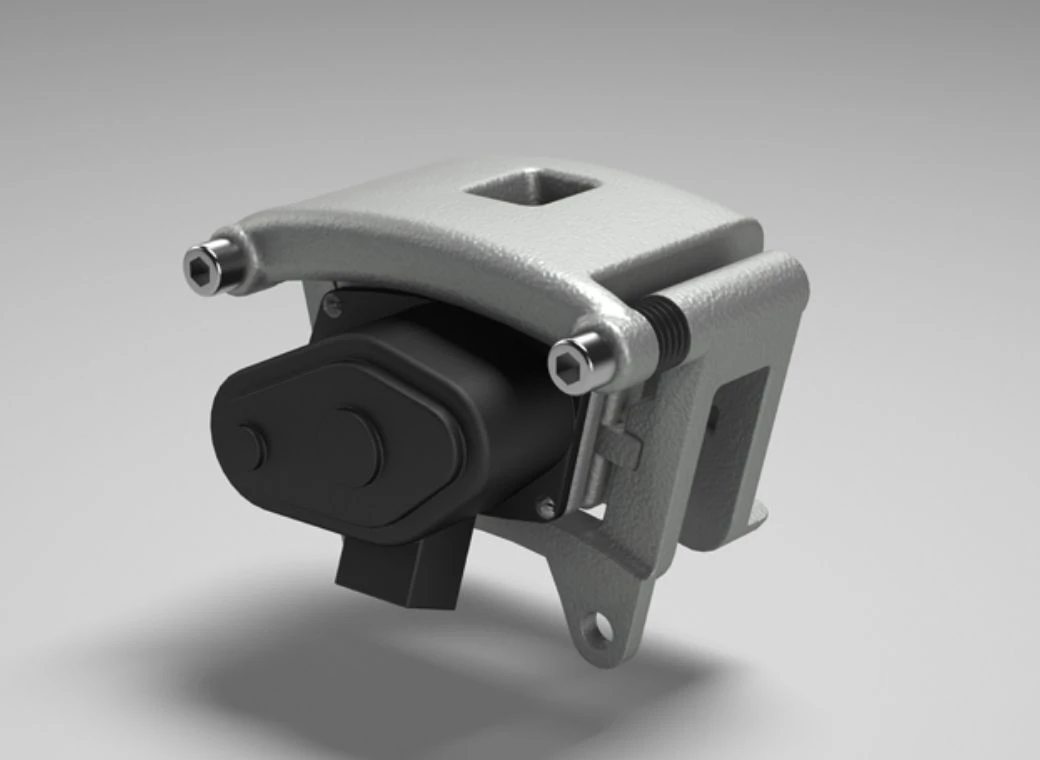
Electric parking brakes (EPB) control the brakes using electronic control units, actuators, and sensors. EPBs are now used not only in passenger cars but also in commercial vehicles and buses, improving safety and convenience in all vehicle segments. Toray proposes optimal materials for EPBs, contributing to the evolution of vehicle electrification technologies.
Grades
This is a PBT series that ensures excellent durability even in the severe environments inside powertrains. It contributes to improving the reliability of components such as EPBs.

Download
You can view materials related to products and methods that support product development in the automotive industry.

Introduction Support
Our domestic and international technical support centers provide consistent support from resin selection to design, analytical evaluation, and follow-up after market launch.