
ADAS / AD
ADAS (Advanced Driver Assistance Systems) and AD (Autonomous Driving) are technologies that dramatically improve the safety and convenience of automobile driving, contributing to the reduction of traffic accidents and driving load. Because these technologies require numerous sensors and cameras, vehicle lightweighting, improvement of durability, and cost reduction have become major challenges. Solving these challenges are resin materials, which are lightweight yet possess high strength, heat resistance, and weather resistance, and are suitable for complex shape design and component integration. Toray proposes optimal materials that realize and maintain the initial design specifications, such as resins with high dimensional accuracy in high-temperature ranges. This realizes optimization of sensor placement and improvement of production efficiency, playing an important role in the development of ADAS and AD.
Millimeter Wave Radar
Millimeter wave radars are important sensors that enable precise detection around the vehicle in ADAS (Advanced Driver Assistance Systems) and AD (Autonomous Driving). They have excellent visibility unaffected by weather, and can accurately measure the position and speed of objects even under adverse conditions such as rain and fog. This realizes advanced safety functions such as maintaining following distance, automatic emergency braking, and blind spot monitoring. By combining with other sensors and cameras, even more reliable environmental recognition becomes possible, playing an indispensable role in the development of autonomous driving technologies.
Waveguide
The waveguide of the millimeter wave radar realizes advanced radio wave control. Replacing waveguides with resin enables lightweighting and reduction of manufacturing costs, and can accommodate complex shape designs and mass production. Toray has a track record of adoption in resin waveguides, contributing to both improving the performance of millimeter wave radars and cost efficiency.
Grades
Newly developed high-performance PPS grade
While resin materials can reduce processing costs compared to conventional metals, lamination and ultra-precision guides are required, and ultra-high dimensional accuracy is demanded in all aspects. In response to these challenges, Toray offers a lineup of materials with little dimensional change after molding or at high temperatures, which are also suitable for improving adhesion with metal coatings. We also have a track record of supporting guide design using CAE.
Related Information
Download
Ultra-dimensional stable PPS resin that extremely suppresses dimensional changes due to environmental temperature changes
Radome
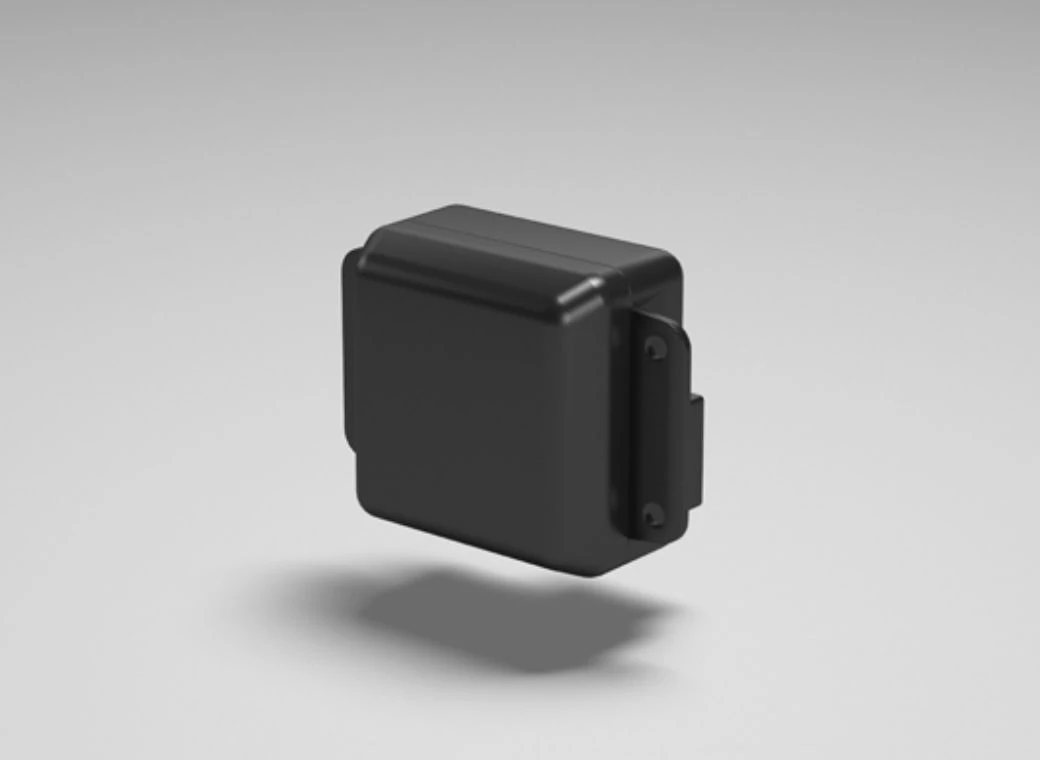
The radome plays an important role in supporting the protection of sensors and the stability of performance in millimeter wave radars. By utilizing low dielectric materials with high radio wave transmittance, it enhances radio wave emission and reception functions without compromising accuracy.
Grades
These are grades that suppress the deterioration of radio wave characteristics after long-term use by adding hydrolysis resistance to PBT.
Newly developed materials
These are grades that realize characteristics suitable for radomes by adding hydrolysis resistance to PBT to suppress the deterioration of radio wave characteristics after long-term use, while developing an even lower dielectric constant.
Lower Case
The lower case of the millimeter wave radar protects internal electronic components from impact, vibration, moisture, and dust, supporting stable radar performance. To ensure airtightness at the joint with the radome, high dimensional accuracy and adhesiveness are required. In addition, heat dissipation to release the heat of the internal board has also become important in recent years.
Grades
5001G30B is a material that highly develops heat cycle resistance capable of insert molding and hydrolysis resistance, which was considered a weakness of conventional PBT.
In addition to the high dimensional accuracy specific to PPS, these are materials that match the required characteristics of lower cases by further increasing heat dissipation compared to general PPS.
Related Information
Download
PBT resin "heat cycle resistance formulation" and examples of utilizing Toray CAE analysis
Automotive Camera
With the spread of ADAS (Advanced Driver Assistance Systems) and AD (Autonomous Driving), the demand for automotive cameras is rapidly increasing. Automotive cameras play an important role in improving safety and comfort, such as peripheral object detection, pedestrian recognition, lane keeping assistance, and nighttime visibility improvement. In recent years, higher resolutions, wider angles, and more advanced image analysis by AI are progressing, enabling more precise and real-time recognition. As camera reliability improvement, power consumption reduction, and environmental resistance enhancement are required due to the advancement of autonomous driving technologies and stricter regulations, Toray provides high-performance materials to support the evolution of next-generation automotive cameras.
Lens Barrel
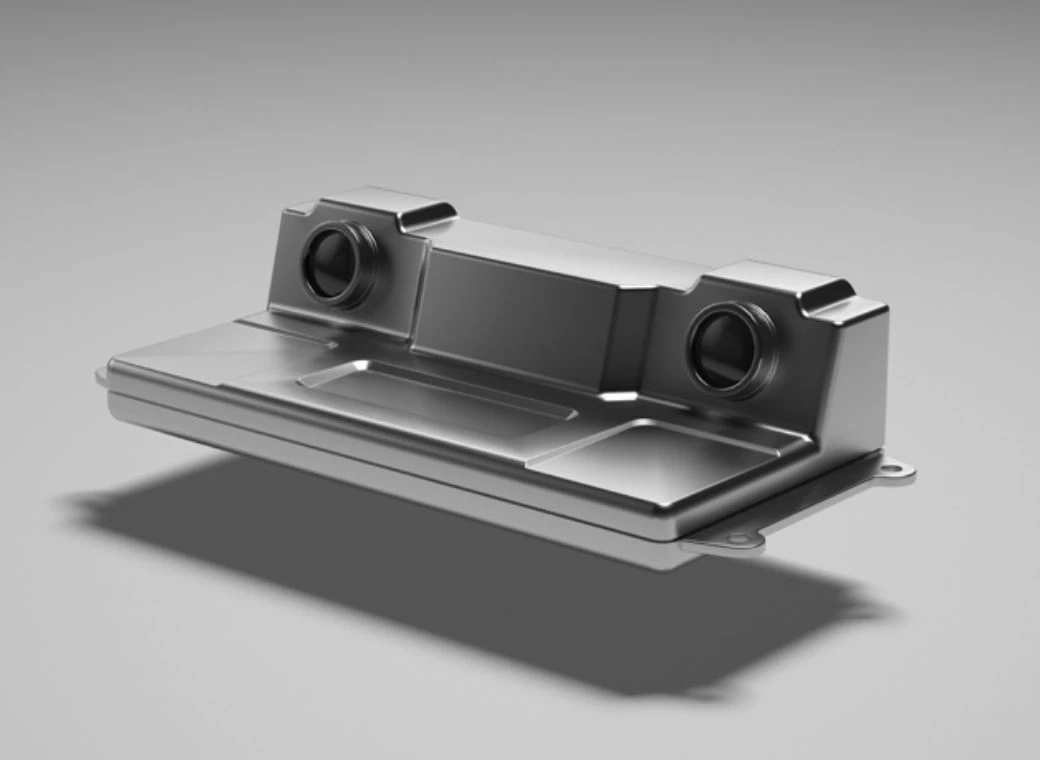
The lens barrel of the automotive camera needs to prevent optical axis deviation and maintain high-precision photography. While metals allow for precision machining, their costs are high, and while general resins are lightweight, their coefficient of linear expansion at high temperatures is a challenge. Selecting optimal materials and construction methods is essential for replacing lens barrels with resin, and resins with excellent heat resistance and dimensional stability, as well as appropriate adhesion technologies, are required.
Grades
A695SZ1B
This is an ultra-high dimensional accuracy PPS that has succeeded in minimizing expansion and contraction due to temperature changes. It is highly compatible with specific adhesives suitable for lens barrel applications, making it an optimal material when starting studies on resin replacement.
Camera Bracket
The camera bracket requires good compatibility with windshield adhesives. It is also important to maintain the shooting range and angle of the camera constant, and Toray prevents positional deviation through high dimensional accuracy.
Grades
These are grades that boast the highest dimensional accuracy among PBTs, and their compatibility with adhesives suitable for camera brackets has been confirmed. We can propose products produced locally worldwide.
Related Information

Featured grades
Lineup of high dimensional accuracy materials for telecommunications equipment and sensor components
LiDar
Lidar (Light Detection and Ranging) is a high-precision sensor that accurately detects surrounding objects and controls the vehicle in real time. With vehicle lightweighting and cost efficiency improvement becoming challenges at development sites, there is a trend in recent years to replace Lidar with resin. By using resin materials, it becomes possible not only to improve fuel efficiency and dynamic performance through vehicle lightweighting but also to realize complex shape designs. Toray contributes to improving Lidar durability and supports the evolution of autonomous driving technologies by providing resin materials with excellent impact resistance and weather resistance.
Housing
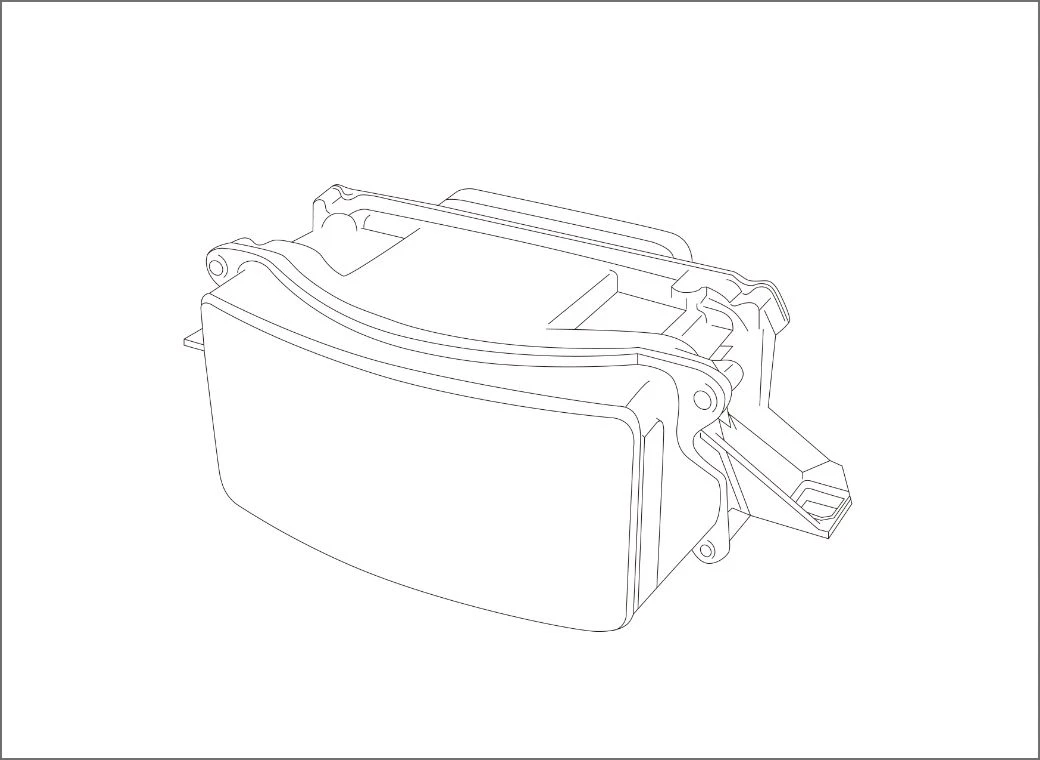
Lidar requires the use of components that transmit radar on the front, and components that do not transmit it in other parts. Since PC resin is generally used for radar-transmitting components on the front, the radar-shielding resin joined to it requires weldability with PC resin and high dimensional accuracy. Toray faced this challenge and developed new grades.
Grades
Newly developed grades
The newly developed grades excel in two-color moldability with PC resin, eliminating the fastening
process and realizing efficient production.
They also develop high dimensional accuracy, contributing to long-term radar shielding properties.

Download
You can view materials related to products and methods that support product development in the automotive industry.

Introduction Support
Our domestic and international technical support centers provide consistent support from resin selection to design, analytical evaluation, and follow-up after market launch.